
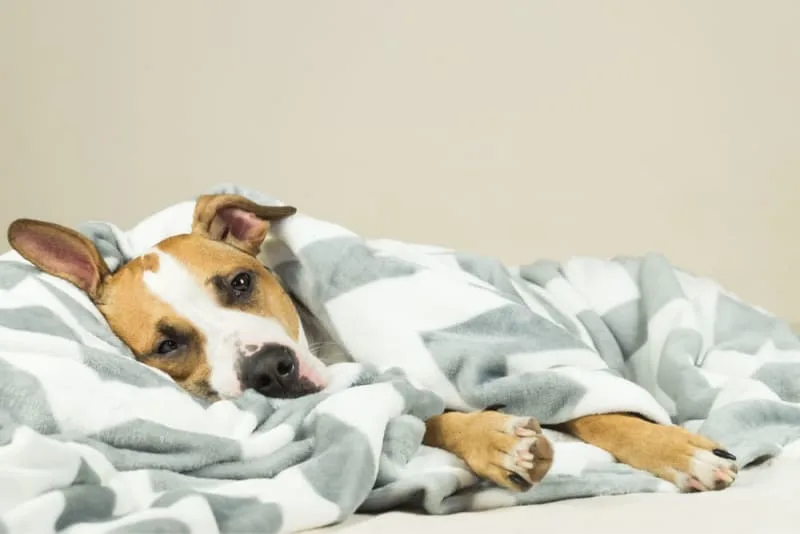
Today, our Kinston vets talk about the signs and symptoms of infectious and aspiration Pneumonia in dogs, the treatments available, and how you can help your pup recover as quickly as possible.
Pneumonia & Dogs
Just like pneumonia in people, pneumonia can affect a dog's respiratory system interfering with their ability to breathe normally. While some forms of pneumonia are more difficult to treat than others, most dogs recover well from pneumonia. Although, if it goes untreated, more serious issues can arise.
Infectious Pneumonia in Dogs
Infectious pneumonia (also called bacterial pneumonia) is the most common type of pneumonia in dogs. Infectious pneumonia is caused by a viral or bacterial infection in a dog's airways. Bordetella bronchiseptica is one of the bacteria most often connected to infectious pneumonia in dogs, and can easily spread between senior dogs, pups that have a compromised immune system or are very young.
Symptoms of Pneumonia in Dogs
If your dog has developed infectious pneumonia or bacterial pneumonia they may develop a cough, however, there are a host of other symptoms that are also associated with the condition including:
Wheezing
Coughing
Runny nose
High fever
Nasal whistling
Difficulty exercising
Lethargy
Breathing difficulties
Loss of appetite
Weight loss
Dehydration
Irregular breathing
If your dog has bacterial pneumonia, our vets recommend keeping your unwell pup away from other pets in the household, and washing bedding, bowls, collars, and leashes frequently to help prevent the spread of the disease. Also, don't forget to wash your hands immediately after petting or handling a dog that has infectious pneumonia.
Aspiration Pneumonia in Dogs
If for some reason your dog accidentally inhales vomit or medication, has an abnormality of the pharynx, or has a neuromuscular disorder that affects their respiratory function, they can develop aspiration pneumonia. Sometimes, an enlargement of the lower esophagus due to frequent regurgitation caused by acid reflux can lead to aspiration pneumonia, as well as an incorrectly placed feeding tube.
Signs & Symptoms of Dog Aspiration Pneumonia
Signs of aspiration pneumonia can be very similar to those of infectious bacterial pneumonia and may include one or more of the following:
Coughing
Runny nose
Breathing difficulties
High fever
Lethargy
Nasal whistling
Difficulty exercising
Wheezing
Irregular breathing
Weight loss
Loss of appetite
Dehydration
However, aspiration pneumonia could also result in other symptoms such as:
Bluish skin
Altered mood
Difficulty swallowing
Frequent regurgitation
If your dog shows signs of aspiration pneumonia, call your vet as quickly as possible to book an appointment. Early diagnosis and treatment could help prevent your dog from developing more severe, harder to treat, symptoms.
Treating Pneumonia in Dogs
If your dog has been diagnosed with either infectious bacterial or aspiration pneumonia your vet may prescribe medications to help control symptoms such as non-steroidal anti-inflammatory medications for fever and pain, and bronchodilators and expectorants for coughing and breathing issues. Your dog might have to be hospitalized and provided with fluid therapy, supplemental oxygen, or intravenous antibiotics if they are suffering from a particularly severe case of pneumonia.
Ways You Can Help Your Dog Recover
Your vet will be sure to provide you with specific instructions on caring for your dog during their recovery, however typical instructions for care include:
Supplying plenty of fresh water to help keep them hydrated.
Keep other pets and small children away from your dog to let them get lots of rest.
Restrict your dog's activities as they recover.
Treat your dog with a steam treatment by running a hot shower while you sit with your dog in the bathroom or shower room.
Note:The advice provided in this post is intended for informational purposes and does not constitute medical advice regarding pets. For an accurate diagnosis of your pet's condition, please make an appointment with your vet.
Contact our Kinston vets immediately if your dog is having difficulties breathing or showing any other signs of pneumonia.